How a Chinese Engineer Became a Billionaire Making Robotic “Eyes”
When media say “robotic eyes,” they are usually talking about:
✅ 3D vision cameras
✅ depth sensors
✅ AI image recognition systems
These devices help robots:
detect objects
measure distance
understand space
avoid obstacles
In simple words:
👉 Without robotic eyes, robots are blind.
This technology belongs to the field called machine vision, which lets computers interpret visual data.
You can read the basic concept here:
https://en.wikipedia.org/wiki/Machine_vision
The Engineer Behind the Billion-Dollar Success
The story refers to Howard Huang, a Chinese optical-measurement engineer.
What he built
Founded the 3D-vision company Orbbec in 2013
Goal: turn academic research into real industrial technology
Built cameras that allow robots to perceive depth like humans
His company operates from Shenzhen, one of China’s biggest tech hubs.
According to Forbes reporting:
Orbbec’s 3D vision cameras became essential for humanoid robots
The company’s stock surged strongly
Huang owns a major stake
His wealth crossed roughly $1.4 billion

Why Robotic Vision Is Suddenly So Valuable
Robots used to work only in controlled factories.
Today they are moving into:
warehouses
hospitals
delivery services
security
retail
To survive in real environments, robots need:
👉 real-time vision
👉 object recognition
👉 spatial awareness
This is why machine-vision suppliers became extremely valuable.
A growing robotics boom in China is pushing this demand even higher, with humanoid robots expected to become a multi-trillion-dollar industry in coming decades.
How He Turned Engineering Into Billionaire Wealth
The formula was surprisingly simple.
Step 1 — Start from deep technical research
Huang specialized in optical measurement engineering.
Step 2 — Solve a real industry problem
Robots needed better depth perception.
Step 3 — Build hardware, not just software
Instead of making apps, he built physical sensors.
Step 4 — Ride the robot boom
As humanoid robots gained investment, demand exploded.
Because Orbbec supplies core components, not final robots, it benefits from many robot makers at once.
This is called the “pickaxe strategy” in tech investing.
(Like selling shovels during a gold rush.)
Why Component Makers Often Become Quiet Billionaires
Most people think:
👉 Robot companies make the money
But often the real profits go to:
chip manufacturers
sensor suppliers
camera developers
battery makers
Because every robot needs these parts.
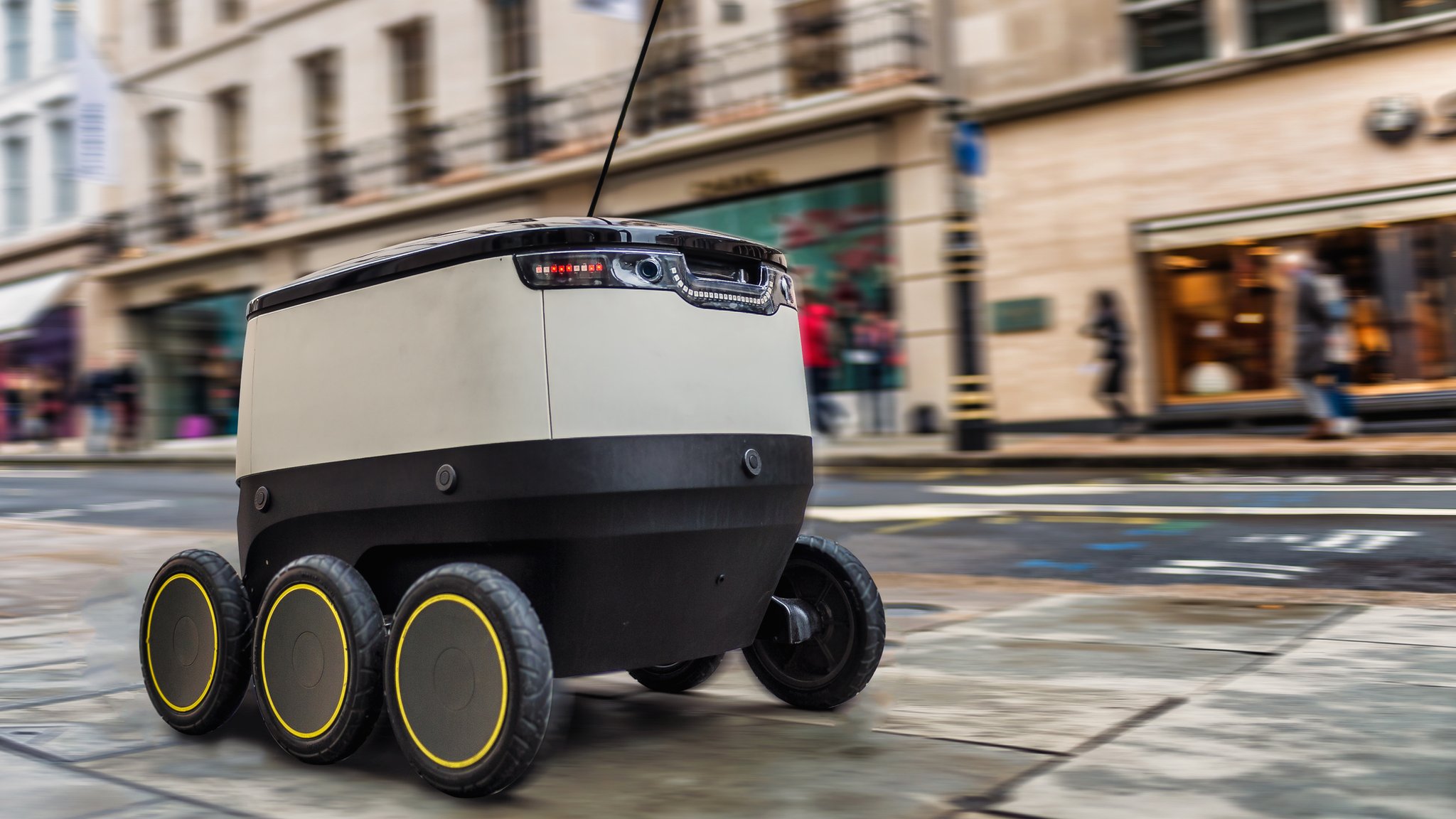
For example, China’s robotics ecosystem relies heavily on sensor suppliers that act as the “eyes” of machines.
Real-World Uses of Robotic Vision Today
Here’s where these “robot eyes” are already used:
Smart factories
Robots identify defective products automatically.
Logistics warehouses
Machines pick packages without human help.
Autonomous driving
Cars detect pedestrians and road signs.
Medical robots
Systems assist in surgery and diagnostics.
Why Investors Love This Industry
People often underestimate hardware startups.
But robotic vision sits at the center of three mega-trends:
AI growth
automation
labor shortages
That combination attracts huge investment.
You can even see discussions from tech enthusiasts analyzing robotics investment trends here:
https://www.reddit.com/r/robotics/
The Bigger Picture: The Age of Robot Infrastructure
The biggest insight from this story:
The future of robotics isn’t just about robots.
It’s about the invisible infrastructure behind them:
sensors
chips
cameras
AI processors
These are the companies quietly building billion-dollar businesses.
Simple Takeaway
A Chinese engineer became a billionaire not by building flashy robots…
…but by building the eyes that every robot needs.
Sometimes the smartest business is not making the final product.
It’s making the essential part nobody can live without.


Comments
Post a Comment