From Lab Research To Billionaire: The Untold Story Of The Man Powering China’s Robot Boom
How One Engineer Quietly Built the “Eyes” Behind the World’s Smartest Robots
Most billionaire tech stories sound the same.
A flashy app.
A social media platform.
A famous consumer gadget.
But this story is different.
It’s about a quiet engineer who didn’t build robots at all —
he built the eyes that allow robots to see.
And that single idea helped turn him into a billionaire as China’s robotics industry exploded.

The Problem Nobody Outside Robotics Talks About
Robots can move.
Robots can lift.
Robots can calculate.
But without vision, robots are basically blind machines.
They cannot:
recognize objects
judge distance
navigate safely
interact with real environments
This is where machine vision technology comes in.
If you want a simple technical explanation, Wikipedia explains machine vision clearly here:
https://en.wikipedia.org/wiki/Machine_vision
In short:
👉 Machine vision lets computers understand images like humans do.
From Academic Research to Real-World Industry
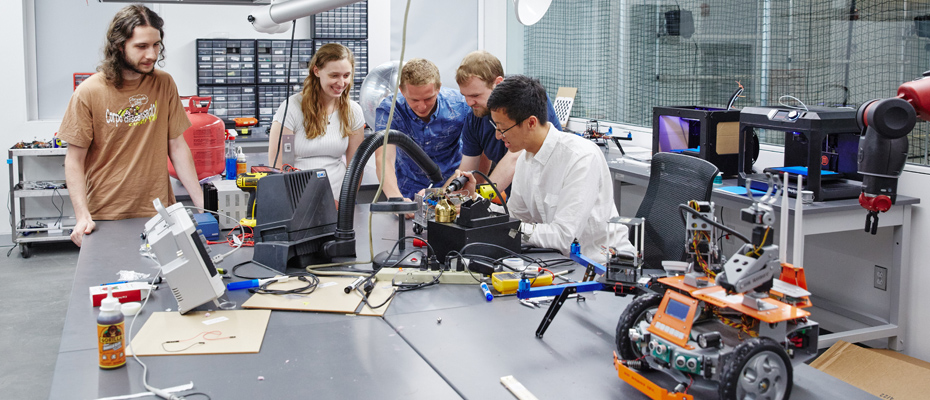
Like many engineers, he started in research.
His early work focused on:
optical measurement
depth sensing
imaging systems
These topics sound academic and boring.
But he noticed something important:
Robotics companies desperately needed better depth cameras.
Most robots at the time worked only in controlled factory settings.
The moment they entered messy real-world environments, they struggled.
That gap became the business opportunity.
Founding a Company Focused on Robot Vision
Instead of building full robots, he launched a company focused only on:
✅ 3D vision cameras
✅ depth sensors
✅ AI-enabled imaging hardware
The strategy was unusual.
Most startups wanted to build the final robot.
He chose to supply the core component every robot needs.
This approach is often called the “pickaxe strategy” —
selling tools during a gold rush instead of mining yourself.
Business analysts often discuss this model on platforms like Medium:
https://medium.com/tag/startup-strategy
Why Timing Made All the Difference
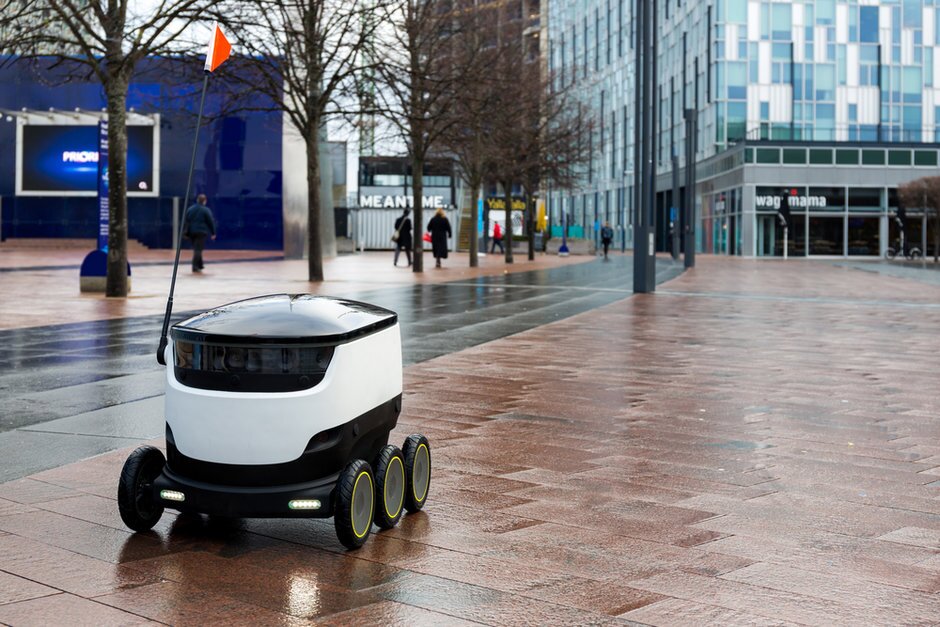
For years, the company grew slowly.
Then suddenly, everything changed.
Three global trends hit at once:
1. Labor shortages worldwide
Companies needed automation fast.
2. AI breakthroughs
Smarter software made robots more practical.
3. Massive investment in humanoid robotics
Governments and private investors poured billions into automation.
Now every robot maker needed:
👉 reliable depth perception
👉 real-time object detection
👉 affordable sensors
Demand for robotic vision hardware skyrocketed.
You can see real industry discussions about robotics growth here:
https://www.reddit.com/r/robotics/
Why Sensor Companies Become Hidden Giants
Most people recognize robot brands.
Few know the companies behind the components.
But hardware suppliers often win big because:
every robot needs cameras
every autonomous system needs sensors
every smart factory needs vision tools
Instead of depending on one product, they sell to the entire ecosystem.
It’s similar to how chip makers power smartphones from many brands.
This supply-chain dominance is why investors love infrastructure companies.
How the Billionaire Moment Happened
The turning point came when:
robotics demand surged
AI hardware investment exploded
the company expanded internationally
As revenue climbed and valuations jumped, the founder’s ownership stake suddenly became worth billions.
Not overnight.
But faster than almost anyone expected.
This kind of growth story is increasingly common in the AI hardware sector.
For beginner-friendly discussions about why AI companies gain huge valuations, see:
https://www.quora.com/Why-are-AI-companies-growing-so-fast
The Bigger Lesson for the Future of AI
This story shows something important.
The AI revolution is not only about:
chatbots
apps
software
It’s also about physical infrastructure.
The next generation of wealth may come from companies building:
sensors
chips
data centers
robotics components
Not just the flashy consumer tools.
Where Robotic Vision Is Already Changing Daily Life
Today, these “robot eyes” are used in:
Smart manufacturing
Machines inspect products automatically.
Warehouses
Robots pick and sort packages.
Autonomous vehicles
Cars detect roads, people, and traffic signals.
Healthcare
AI imaging assists doctors in diagnostics.
This technology is quietly becoming the foundation of modern automation.
Simple Final Takeaway
He didn’t build the robots.
He built the part every robot needs.
That single strategic decision turned lab research into a billion-dollar empire.
Sometimes the biggest tech fortunes don’t come from the most visible products.
They come from solving the problem nobody else notices.


Comments
Post a Comment